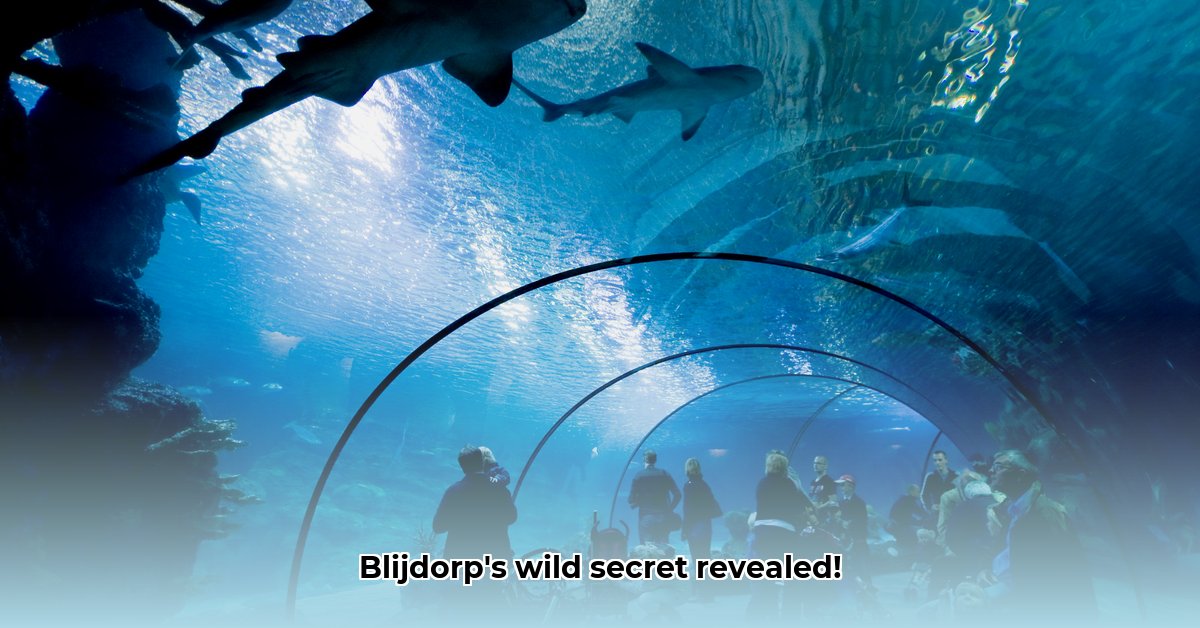
Diergaarde Blijdorp: A Conservation Revolution
Forget the old image of a zoo – Diergaarde Blijdorp in Rotterdam has undergone a remarkable transformation. It's no longer just a place to view animals; it's a dynamic conservation hub, actively working to secure a future for endangered species. This isn't merely a shift in philosophy; it's a complete overhaul of operations, driven by a passionate team and a smart, strategic approach. This is the story of how a zoo became a conservation superhero.
From Traditional Zoo to Conservation Powerhouse
Diergaarde Blijdorp's evolution is a testament to the power of vision and commitment. The zoo's leadership recognised the limitations of a traditional model and embraced a bold new strategy focused on impactful conservation outcomes. This involved a complete re-evaluation of their role, shifting from passive exhibition to active participation in global wildlife preservation. But how did they do it? The key was focusing on what truly matters.
Didn't the zoo consider the huge resources needed for this transformation? How did they manage to achieve it? This is the story of their dedication and hard work.
Ten Ambassador Species: A Strategic Approach
Instead of spreading resources thinly across numerous species, Diergaarde Blijdorp strategically selected ten "ambassador species" for concentrated conservation efforts. This focused approach allows for dedicated resources, tailored strategies, and ultimately, a greater chance of success for each species. This isn't just a random selection; each species faces unique challenges, and the zoo's expertise is carefully targeted towards these. The resulting efficiency and impact are truly remarkable. The selection process, based on rigorous scientific assessment and considered collaboration, ensured that the chosen species represent a range of conservation needs and offer maximum chance of success.
The Human Element: Challenges, Triumphs, and Unwavering Dedication
This transformation wasn't without its challenges. Securing funding for ambitious conservation projects is an ongoing battle. Yet, the dedication of the Diergaarde Blijdorp team – keepers, researchers, and everyone in between – is inspiring. Their passion is palpable; this isn't just animal care; it's a fight for survival. This human element, this unwavering commitment, is the bedrock of their success. While setbacks inevitably occurred, their perseverance and dedication remain the driving force behind this incredible transformation.
How did such a radical change in approach impact visitor experience, staff morale, and overall financial sustainability? The results have been unexpectedly positive.
Measuring Success: Quantifiable Results and Ongoing Evaluation
Diergaarde Blijdorp doesn't rely on guesswork. They meticulously track population growth, habitat restoration success, and visitor engagement. This data-driven approach allows for course correction, transparent communication with donors, and informed future planning. Their commitment to transparency extends to openly sharing both successes and ongoing challenges. This approach also aids in building trust with the public and securing continued support for their conservation efforts. The ongoing evaluation process is essential for optimising their impact and securing future success.
The Future is Wild (and Bright): Diergaarde Blijdorp's Vision
Diergaarde Blijdorp's future is exceptionally promising. Their model is inspiring zoos worldwide. By efficiently allocating resources, collaborating globally, and fostering strong donor relationships, they're setting a new standard for ethical and impactful wildlife conservation. It's about more than just saving individual animals; it's about safeguarding biodiversity for generations to come.
Get Involved: Join the Conservation Revolution!
Want to contribute? Visit Diergaarde Blijdorp, witness their incredible work firsthand, and support their efforts. Saving wildlife isn't just about the animals; it's about preserving the planet's natural heritage. It's a cause that deserves our united support, and your contribution, no matter how small, can make a significant difference. Every visit, every donation, every shared story – it all matters.
Potential Pitfalls and Diergaarde Blijdorp's Proactive Mitigation
Even the most successful ventures face challenges. Diergaarde Blijdorp proactively addresses potential risks. For example, consistent fundraising is crucial. They are likely diversifying their funding streams, engaging visitors through captivating exhibits, and actively seeking grants and partnerships. Similarly, transparently demonstrating impact is paramount. They deploy detailed monitoring and evaluation protocols, making their results readily accessible and easily understood. And finally, they communicate their story effectively, countering potential negative public perceptions about zoos in general by transparently highlighting their successful conservation strategies.
The success of Diergaarde Blijdorp is a dynamic undertaking, subject to ongoing evaluation and refinement as new research emerges and circumstances evolve.
How to Measure the Success of a Zoo's Conservation Programs: A Multifaceted Approach
Diergaarde Blijdorp's transformation serves as a compelling example of a zoo actively contributing to global conservation. However, evaluating the success of such initiatives necessitates a comprehensive and multifaceted approach.
Defining Success: Setting Clear Goals
Before evaluating success, one must define success. This involves setting clear, measurable, achievable, relevant, and time-bound (SMART) goals. Is the objective to increase wild populations, preserve genetic diversity, enhance public awareness, or perhaps some combination? A well-defined success framework is essential for effective evaluation.
Metrics for Measuring Progress:
Here are some key metrics for assessing the effectiveness of a zoo's conservation programs:
- Population Growth and Genetic Diversity: Successful captive breeding programs should maintain healthy, genetically diverse populations. This prevents inbreeding and ensures long-term viability.
- Research Outputs: Zoos provide invaluable research opportunities. Data on behaviour, health, and reproduction contributes crucial knowledge to conservation efforts in the wild.
- Contribution to In-situ Conservation: While zoos provide a safety net, directly quantifying their contribution to wild populations can be challenging. Successful reintroduction programs, however, offer strong, demonstrable metrics.
- Public Engagement and Education: Measuring visitor engagement and knowledge gains can assess the impact of educational initiatives in promoting conservation awareness and inspiring positive behavioral change.
- Collaboration and Partnerships: Strong partnerships with other conservation organizations broaden the scope and impact of conservation efforts. Joint projects and knowledge sharing amplify the results.
Challenges of Quantification:
Despite these metrics, quantifying the success of zoo-based conservation programs presents its own difficulties:
- Limited Space: Captive environments have limited capacity, restricting the number of animals that can be managed effectively.
- Genetic Drift: Small captive populations are vulnerable to genetic drift, diminishing genetic diversity.
- Linking Captive Breeding to Wild Populations: Captive breeding programs must align with the needs of wild populations, especially when reintroduction is a goal.
Key Takeaways for Measuring Success:
- Establish clear, measurable goals.
- Employ a variety of metrics for a comprehensive evaluation.
- Prioritise transparency and data sharing for collaborative efforts.
- Continuously evaluate and adapt strategies based on performance data.
- Foster strong collaborations for enhanced impact.